Pro tips: Paint the Sea Lions
Pro tip 1: Choose the focus first
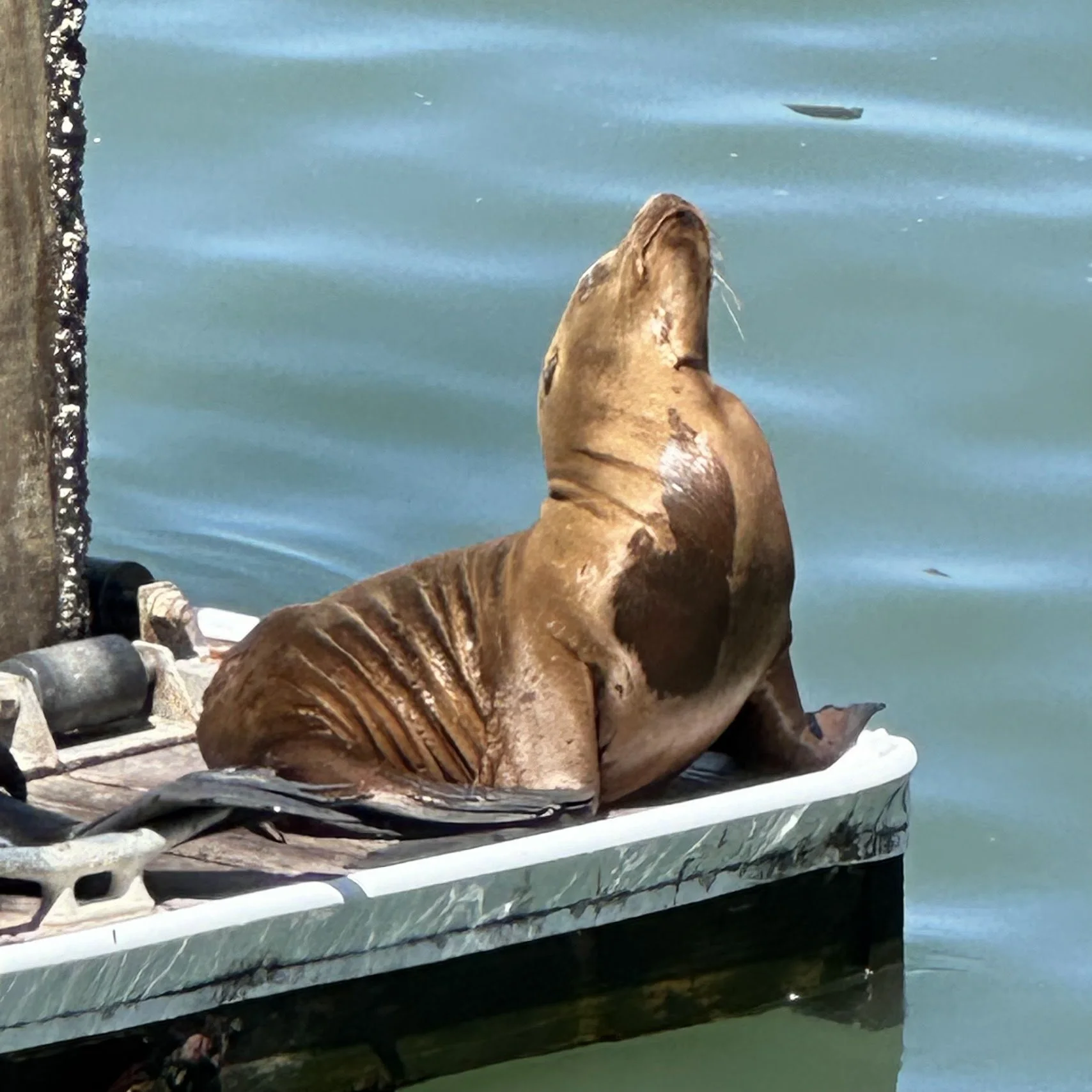
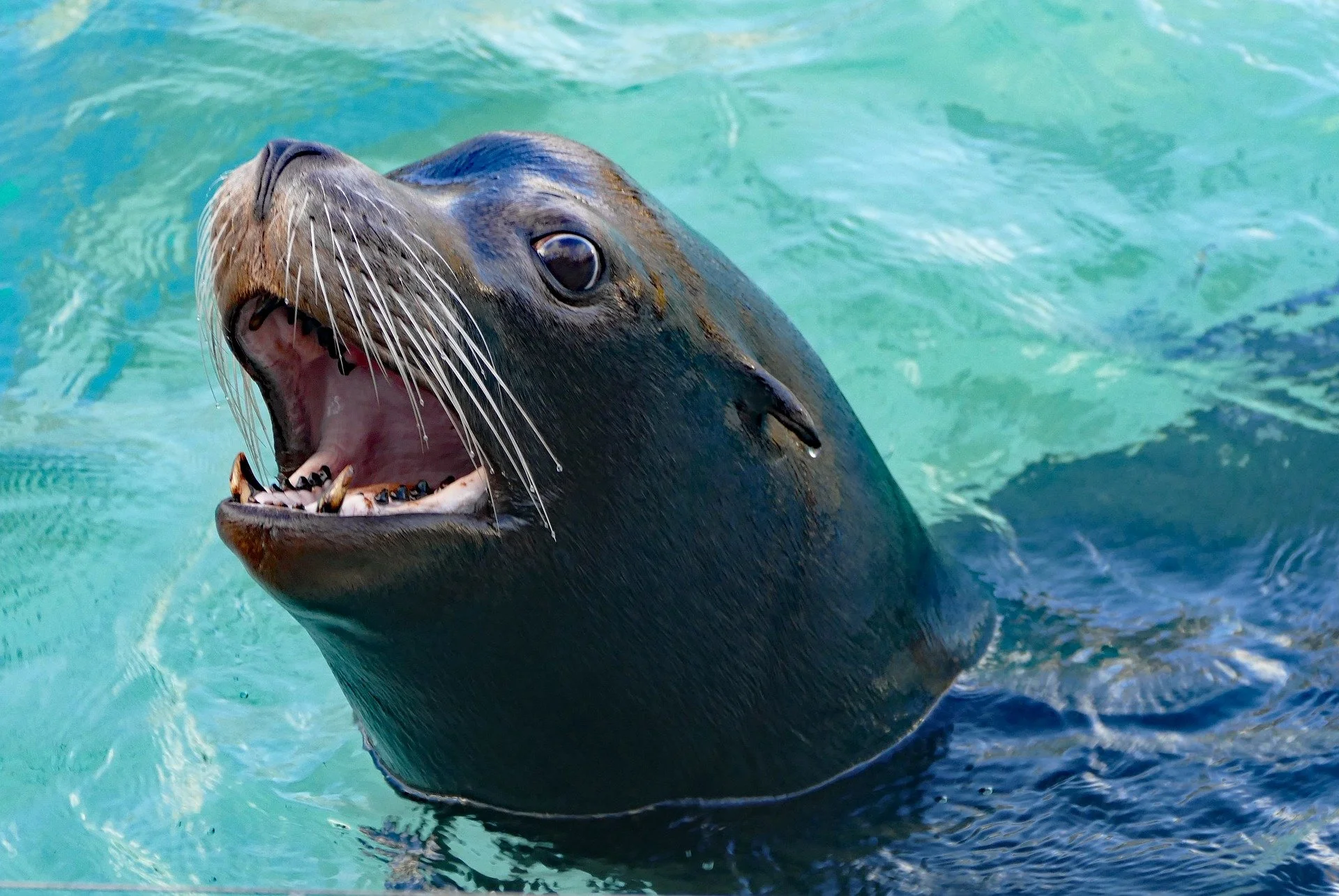
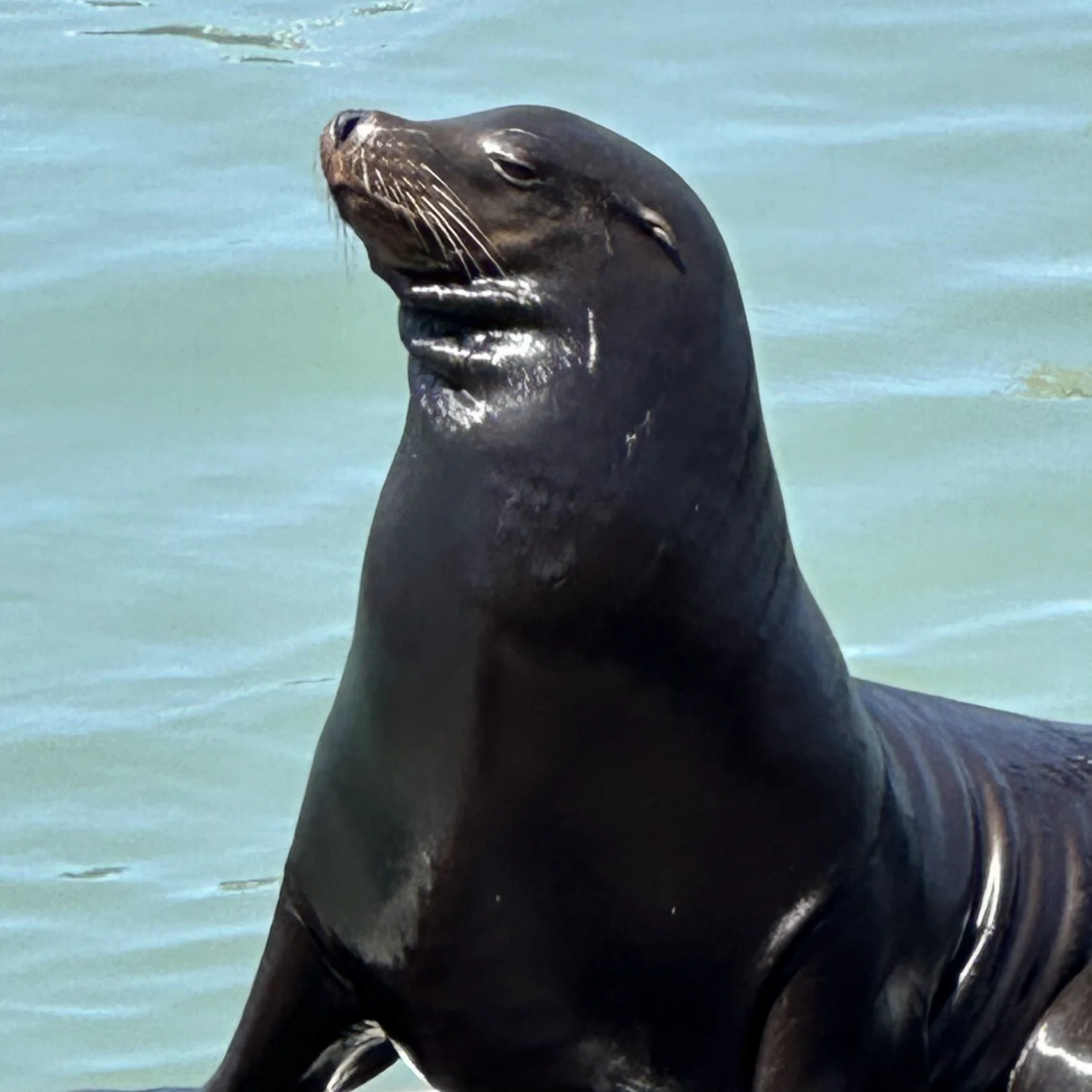
Before you paint, decide what you want the eye to notice first. It might be the lifted head, the open mouth, or the curve of the body.
Ask yourself:
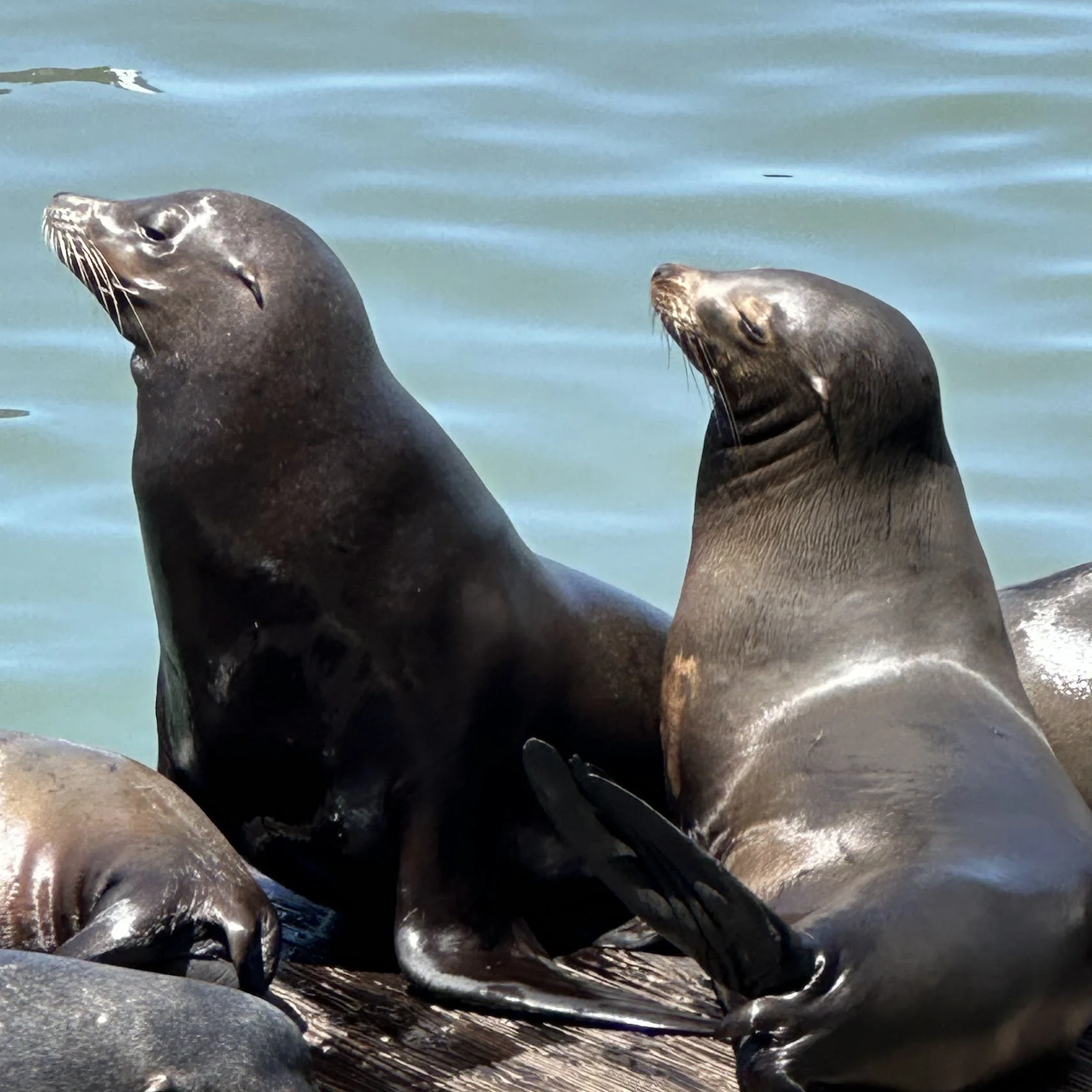
One main subject, or both equal?
Calm and heavy, or loud and animated?
Do you want the face to stand out most, or the whole body to carry equal weight?
Keep the dock and water quiet, or give them more presence?
Make clear choices early and let everything else support it.
Pro tip 2: Build the form simply
Start with the main body shape, then add head and flippers.
Start with the big body shapes, not the small details
Paint the sea lion on drier paper so the shape stays clear
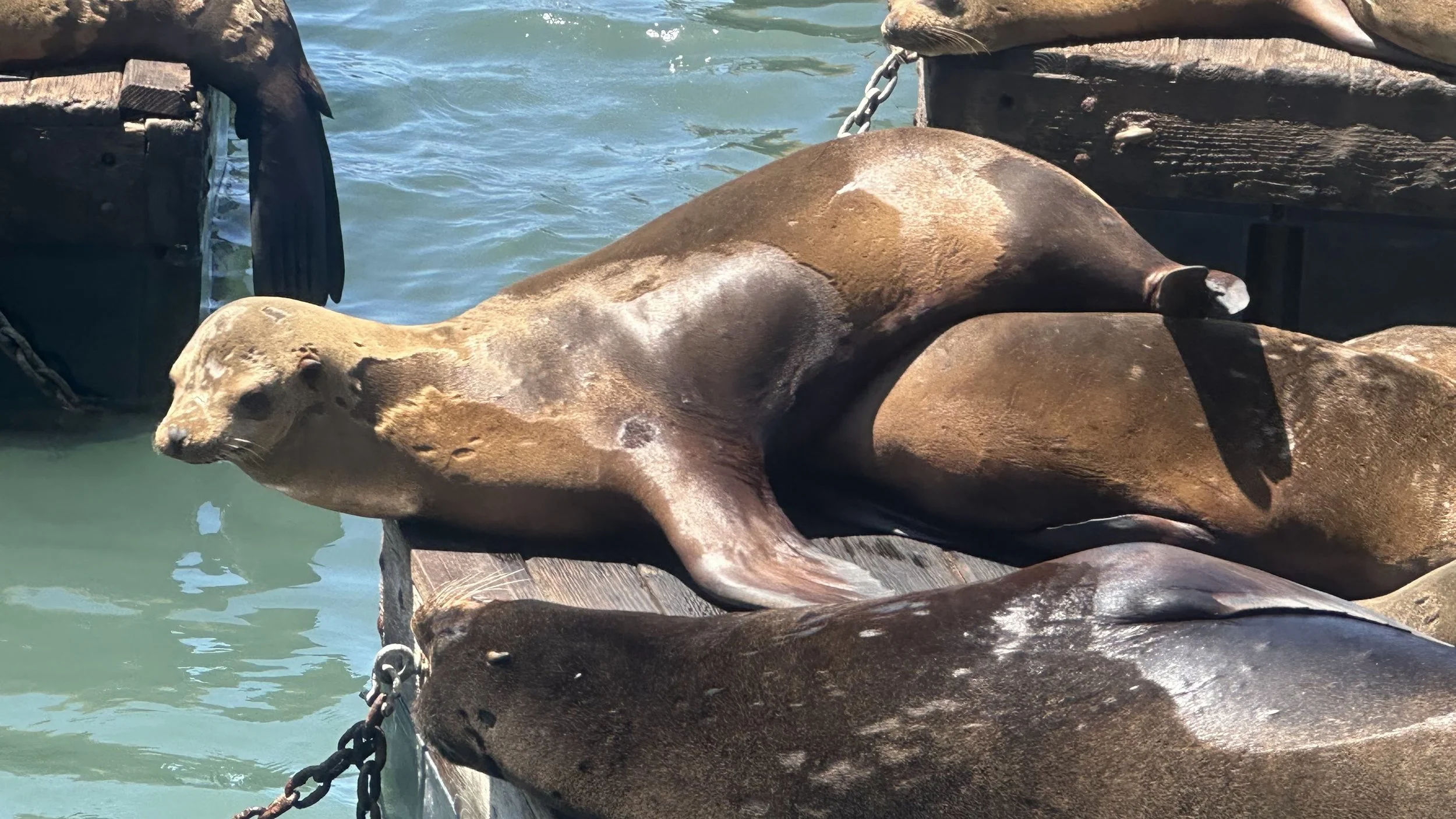
Use a few strokes to suggest folds and weight
Keep some soft edges under the sea lion to help ground it
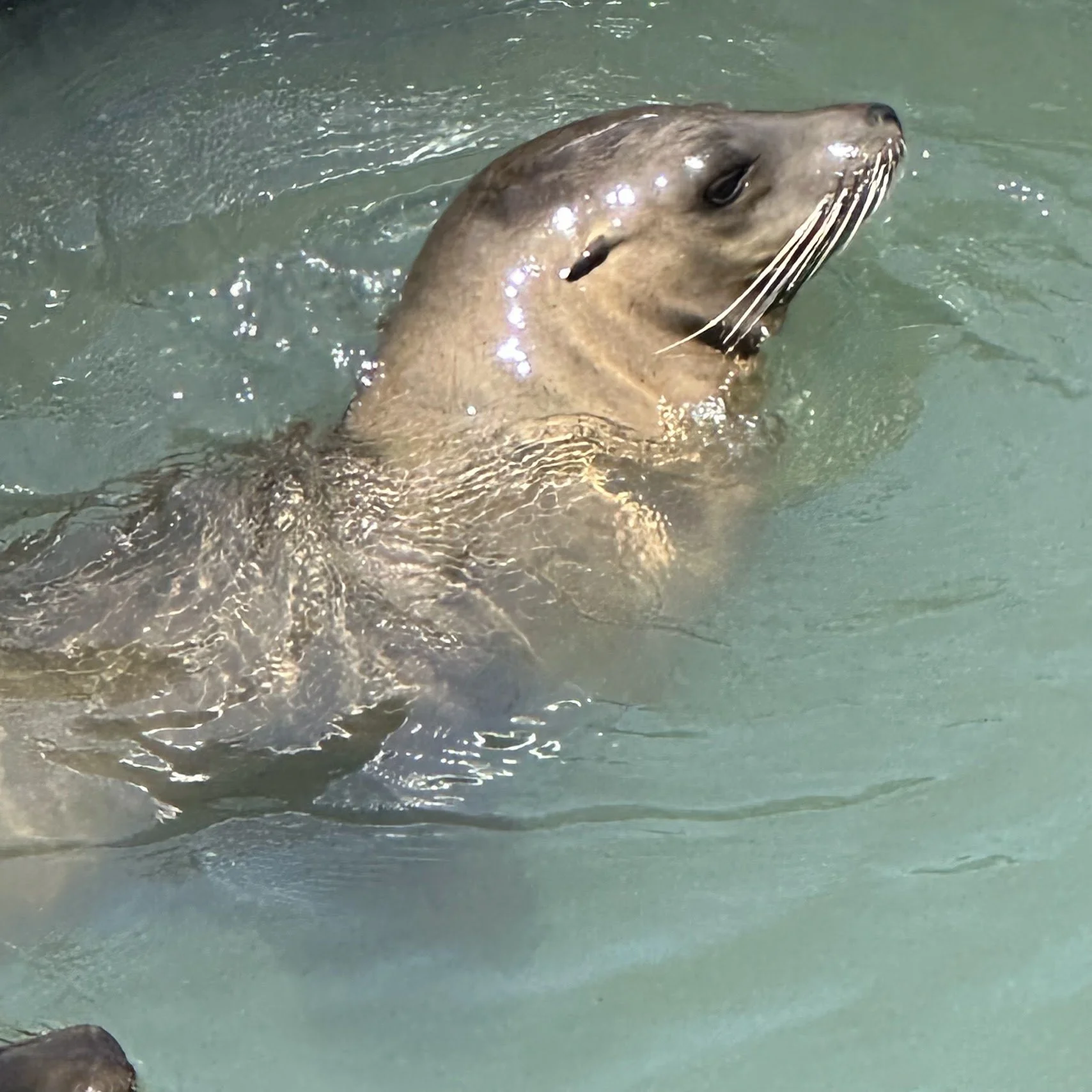
Let the water stay loose with wet-in-wet effects
Get the weight and pose right first.
Pro tip 3: Use color to show form
Start light and build slowly.
Base with pelt
Add raw umber and burnt sienna for warmth
Use cool blue for shadows and water
Keep water strokes loose and horizontal
Save darkest accents for the face and a few edges
Focus on light, shadow, and contrast—not exact color.
Fun facts
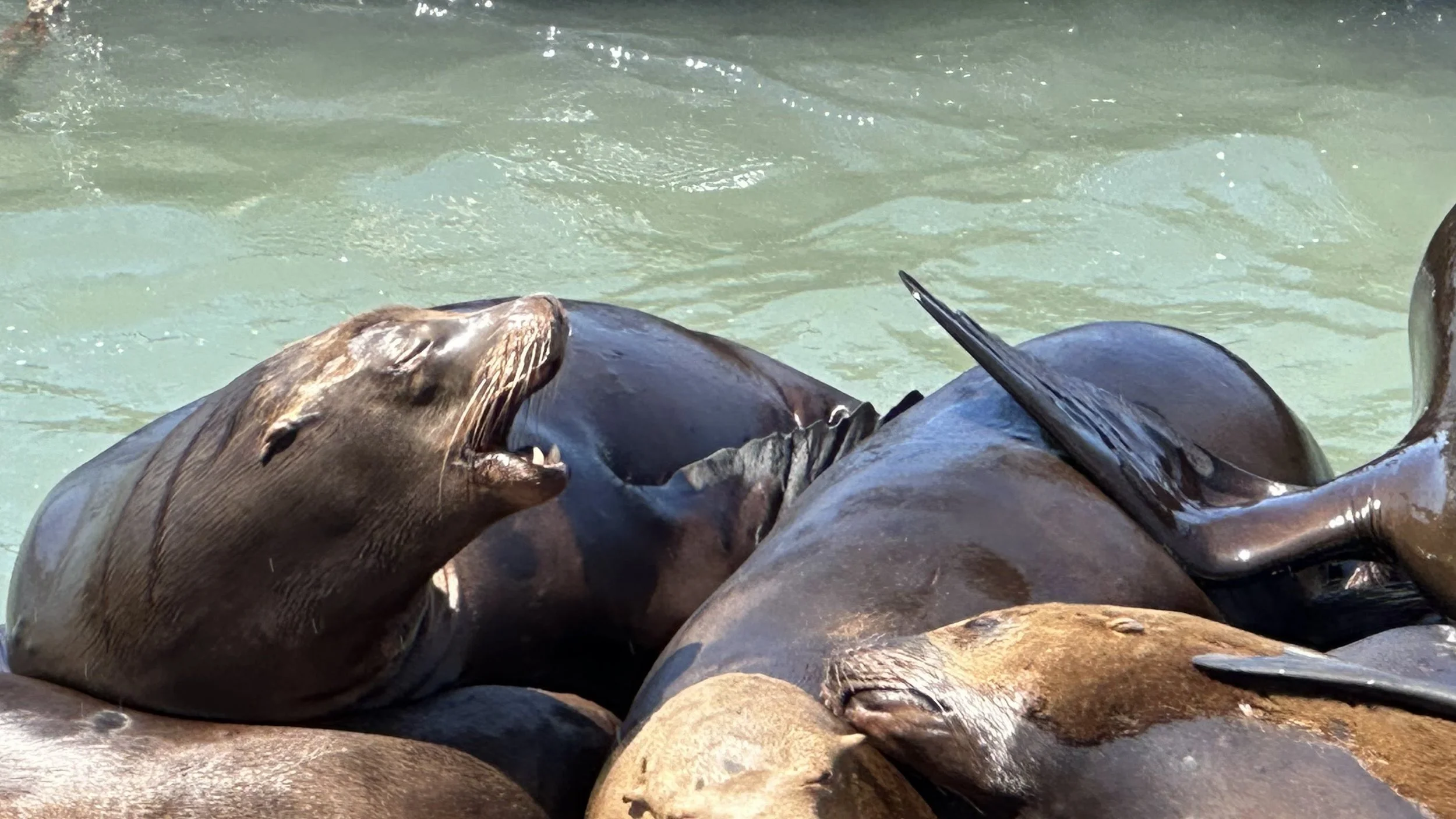
The sea lions at Pier 39 arrived after the 1989 earthquake and made the docks their home. They are California sea lions, known for their loud barks and social behavior. They haul out in groups to rest and warm up, often piled on top of each other, constantly shifting and jostling for space. Males can grow much larger than females, and unlike true seals, they can rotate their back flippers and “walk” on land. They also move in and out seasonally, sometimes disappearing for months and then returning in large numbers.
The constant movement, noise, and changing groupings are part of what make them so interesting to observe and paint.